
Understanding the psychology behind gambling what drives our bets
The Allure of Risk: Why We Gamble
The excitement surrounding gambling is often tied to the concept of risk and reward. The thrill of placing a bet activates the brain’s reward system, releasing dopamine, a neurotransmitter that signals pleasure. This chemical response can create a euphoric sensation, making the act of gambling feel exhilarating. Many individuals are drawn to the unpredictability of games of chance, where outcomes are uncertain and the potential for winning is alluring. In this context, the Dudespin casino provides a platform where players can immerse themselves in various games, navigating the risks and rewards associated with their gaming choices.

Moreover, the idea of “winning big” can be incredibly motivating. This notion is perpetuated through various media, showcasing stories of individuals who have hit the jackpot. These narratives create an aspirational image, suggesting that anyone can experience similar success. The hope of achieving financial freedom or a luxurious lifestyle can become a driving factor, pushing individuals to gamble more frequently. This mindset can easily spiral into problematic behavior when the desire to win overshadows rational decision-making.
Cultural factors also influence why people engage in gambling. In some societies, gambling is embedded in social traditions and celebrations, making it a communal activity rather than a solitary one. The normalization of gambling within certain cultures can make it appear more acceptable and less risky, further encouraging participation. This cultural perspective creates a powerful dynamic that intertwines social interaction with gambling, increasing the likelihood that individuals will place bets for reasons beyond mere financial gain.
The Role of Cognitive Biases in Gambling
Cognitive biases significantly impact our decision-making processes, particularly in the context of gambling. One prominent example is the “gambler’s fallacy,” where individuals believe that past events will influence future outcomes. For instance, a player might think that a particular slot machine is “due” for a win after a series of losses, leading to an increased willingness to continue betting. This flawed logic can perpetuate a cycle of gambling, where individuals invest more time and money based on erroneous beliefs.
Another bias is the illusion of control, where gamblers believe they can influence outcomes through skill or strategy, even in games that rely solely on chance. This misconception can lead to overconfidence, causing individuals to place higher bets or gamble for extended periods. The false sense of control can be particularly dangerous, as it may encourage players to chase losses, believing they can turn their luck around. Understanding these cognitive biases can help individuals recognize the mental traps they might fall into while gambling.
Furthermore, the availability heuristic plays a role in gambling behavior. This psychological principle suggests that people assess the likelihood of an event based on how easily they can recall similar instances. For example, if someone frequently hears about lottery winners, they may overestimate their chances of winning. This cognitive shortcut can lead to impulsive gambling decisions, as individuals might place bets without fully considering the odds or their financial situation. Recognizing these biases can foster better decision-making and promote responsible gambling practices.
The Emotional Drivers Behind Gambling Behavior
Emotions play a crucial role in the gambling experience. Many individuals gamble to escape from stress, anxiety, or negative feelings. The thrill of gambling provides a temporary distraction, allowing players to immerse themselves in an exciting environment. However, using gambling as a coping mechanism can quickly turn harmful, as it often leads to a cycle of chasing losses and emotional turmoil. Recognizing the emotional triggers that prompt gambling can help individuals seek healthier alternatives for managing their feelings.
Additionally, the social aspect of gambling can evoke a range of emotions, from camaraderie among friends to the excitement of competition. Many people enjoy visiting casinos or participating in poker games as a way to bond with others. This social engagement can amplify the emotional highs and lows associated with gambling, further entrenching individuals in this behavior. The community built around gambling can sometimes obscure the risks involved, making it easier for people to rationalize their actions.
Lastly, the desire for validation and self-esteem can drive gambling behavior. Winning can boost a person’s confidence, creating a sense of achievement and fulfillment. Conversely, losses can lead to feelings of shame or inadequacy, prompting individuals to gamble again to regain that lost sense of self-worth. This emotional rollercoaster can make gambling incredibly appealing, despite its inherent risks. Understanding these emotional drivers is essential for addressing problematic gambling habits and fostering healthier relationships with gambling activities.
The Impact of Technology on Gambling Behavior
The rise of technology has transformed the gambling landscape, making it more accessible than ever. Online casinos, mobile gaming apps, and betting platforms allow individuals to gamble from the comfort of their homes or on the go. This convenience can lead to an increase in gambling frequency, as players are often tempted to place bets at any time. The instant gratification associated with online gambling can further exacerbate impulsive behavior, making it essential for players to remain mindful of their habits.
Additionally, technology enables companies to utilize advanced marketing techniques, targeting potential gamblers through personalized advertisements and promotions. This strategic approach creates a sense of urgency and excitement around betting, encouraging individuals to participate more frequently. The allure of welcome bonuses and promotions can also entice new users, making them more likely to engage in gambling behavior without fully understanding the risks involved.
The role of social media cannot be overlooked in this context. Platforms that showcase gambling content or promote betting events can normalize and glamorize gambling. This exposure can influence individuals, especially younger audiences, by creating the perception that gambling is an easy and enjoyable way to earn money. As technology continues to evolve, the need for responsible gambling practices becomes increasingly important, ensuring that players can enjoy gaming without falling into detrimental behaviors.
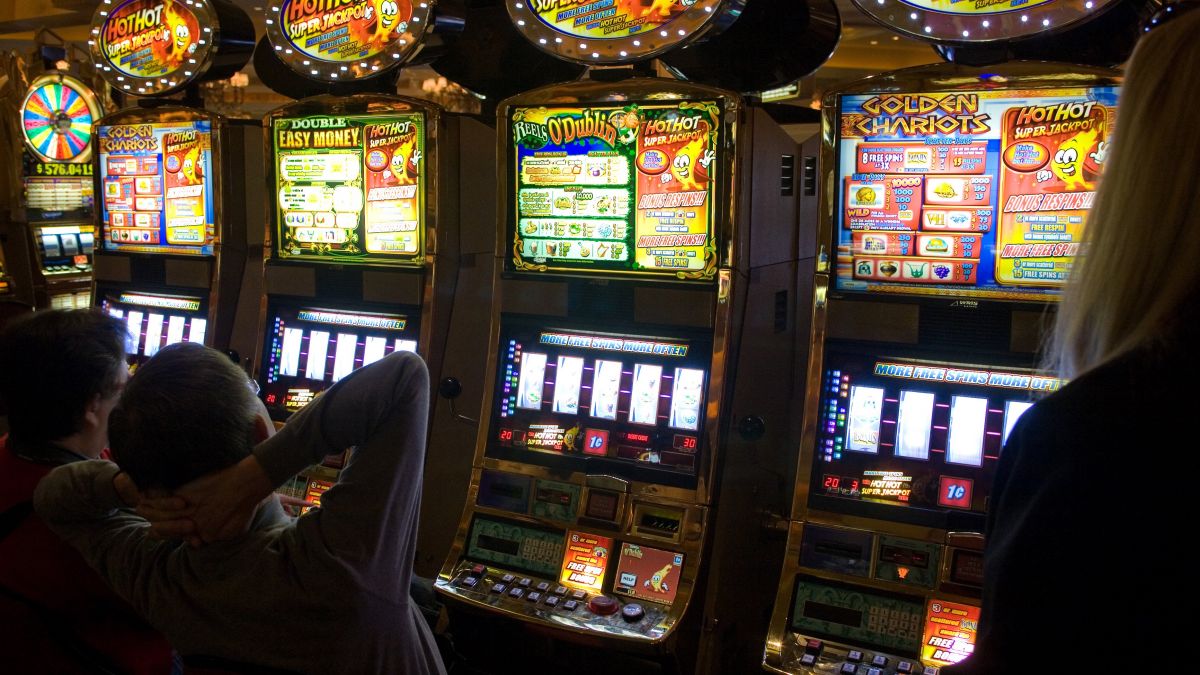
Exploring Responsible Gambling with Dudespin Online Casino
Dudespin Online Casino stands out as a vibrant platform tailored for Canadian players, offering a wide variety of gaming options. With thousands of slots, live dealer tables, and sports betting opportunities, it provides an exciting atmosphere for users seeking entertainment. The emphasis on player safety through strict Anti-Money Laundering (AML) and Know Your Customer (KYC) protocols ensures that users can engage in a secure gambling environment, reinforcing the importance of responsible gaming.
New users can take advantage of an enticing welcome package, which includes a substantial bonus of up to C$3,000 and 150 free spins. This generous offer not only enhances the gaming experience but also encourages players to explore various options while being mindful of their spending habits. Continuous promotions and clear terms further emphasize the casino’s commitment to transparency and player well-being.
Moreover, the availability of 24/7 live chat support provides users with immediate assistance for any inquiries or concerns. This level of customer service contributes to a positive gambling experience, ensuring that players can enjoy their time without unnecessary stress. By promoting responsible gambling and providing resources for players, Dudespin Online Casino aims to create a balanced and enjoyable gaming environment for all its users.